

The Different Types of Whiplash, Treatment & Relief

December 1, 2022
Whiplash is a type of neck injury that occurs when the head is suddenly jerked forward or backward, causing the neck to hyperextend or hyperflex. This can happen during a car accident, a sports injury, or any other type of impact that causes the head to snap back and forth quickly.
Whiplash can range from mild to severe, and the symptoms can vary depending on the severity of the injury. In some cases, symptoms may not appear until several days after the injury occurs.
What Causes Whiplash?
Whiplash is most commonly caused by rear-end car collisions. However, it can also result from:
- Sports injuries, particularly contact sports like football or hockey
- Physical abuse or assault
- Amusement park rides
- Falls or other trauma to the head or neck
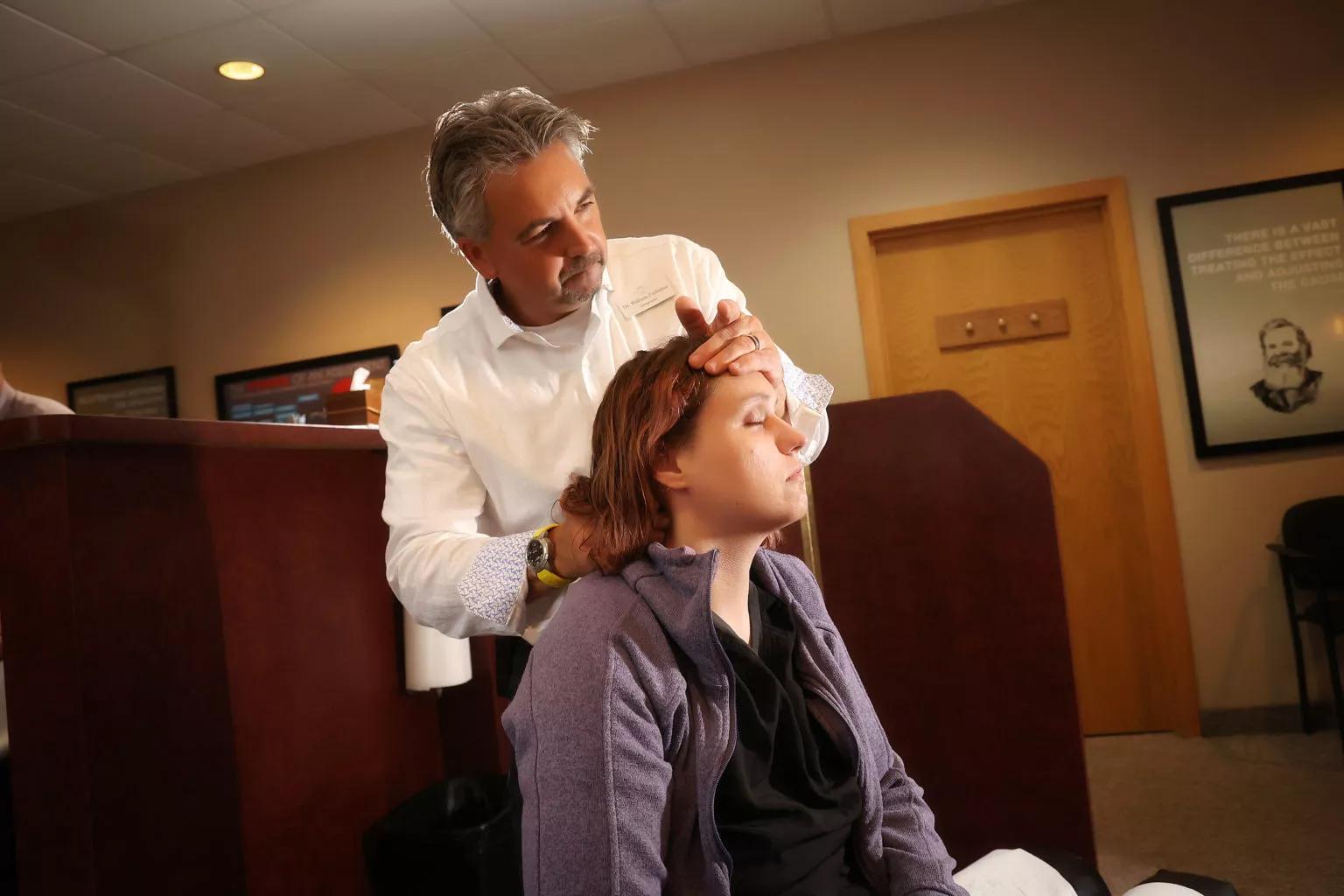
Types of Whiplash
There are several different types of whiplash, each with its own set of symptoms and treatment options:
1. Cervical Strain
Cervical strain is a type of whiplash that affects the muscles and tendons in the neck. This type of injury is usually caused by overextension or overflexion of the neck, and can result in pain, stiffness, and limited range of motion.
2. Cervical Sprain
Cervical sprain is similar to cervical strain, but it affects the ligaments in the neck rather than the muscles and tendons. This type of injury can cause pain, swelling, and instability in the neck.
3. Facet Joint Injury
The facet joints are small joints located between each vertebra in the spine. Whiplash can cause damage to these joints, resulting in pain, stiffness, and limited range of motion.
4. Disc Injury
The discs in the spine act as cushions between the vertebrae. Whiplash can cause damage to these discs, resulting in herniation or bulging. This can lead to pain, numbness, and weakness in the neck, arms, or hands.
Symptoms of Whiplash
The symptoms of whiplash can vary depending on the severity of the injury. Some common symptoms include:
- Neck pain and stiffness
- Headaches, usually starting at the base of the skull
- Dizziness
- Blurred vision
- Fatigue
- Difficulty concentrating or remembering
- Ringing in the ears (tinnitus)
- Sleep disturbances
- Irritability
In more severe cases, whiplash can also cause:
- Pain or numbness in the arms or hands
- Difficulty swallowing
- Jaw pain
- Shoulder pain
- Upper or lower back pain
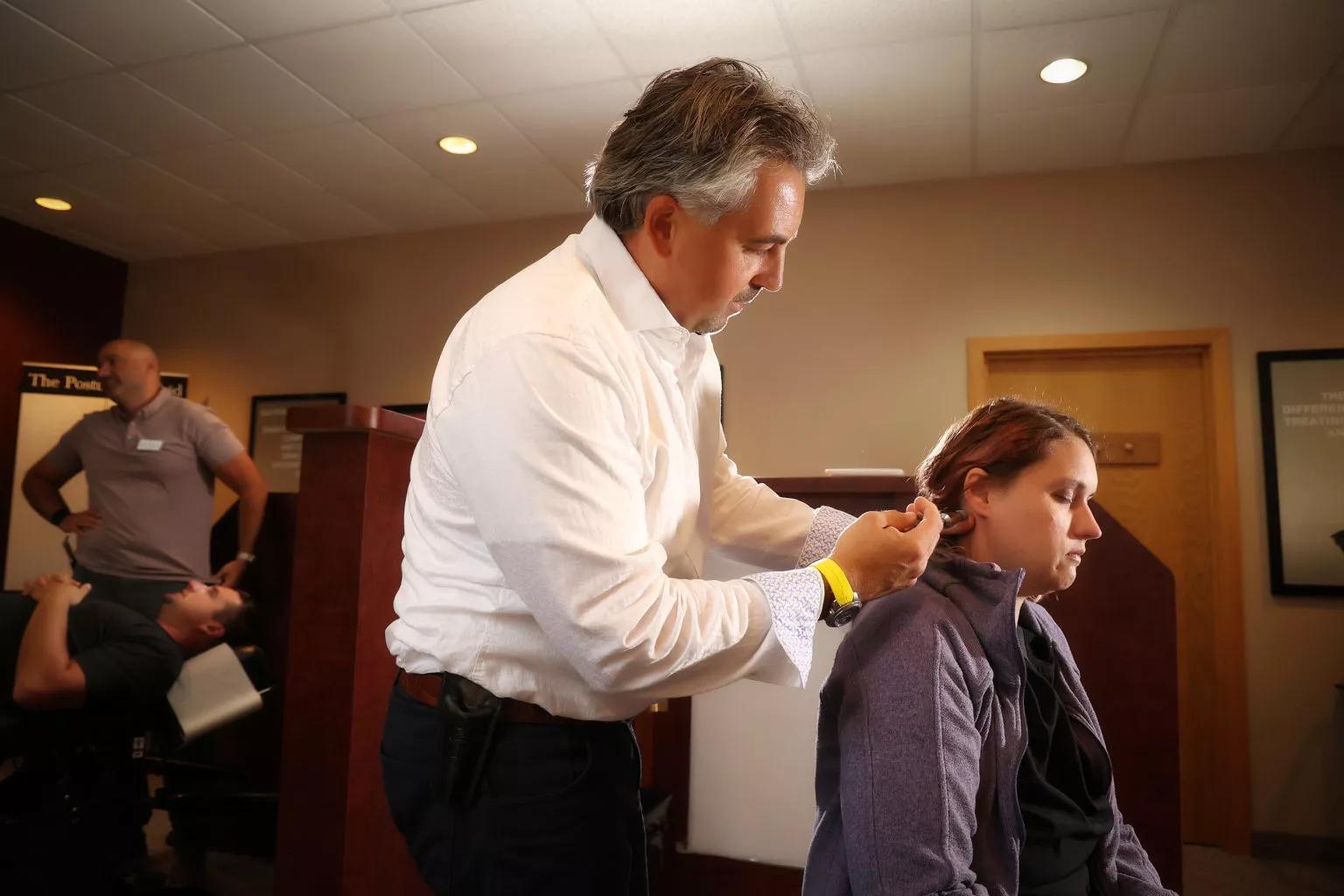
Chiropractic Treatment for Whiplash
Chiropractic care is one of the most effective treatments for whiplash. Achiropractor in Minotcan help relieve the pain and other symptoms associated with whiplash through a variety of treatment methods.
Stage 1: Reduce Inflammation
In the acute stage of whiplash, the primary goal is to reduce inflammation and pain. This may involve ice therapy, gentle stretching, and ultrasound therapy to help reduce swelling and promote healing.
Stage 2: Restore Motion
Once the initial inflammation has subsided, the focus shifts to restoring normal range of motion in the neck. This may involve gentle spinal adjustments, mobilization techniques, and therapeutic exercises.
Stage 3: Strengthen and Stabilize
The final stage of whiplash treatment focuses on strengthening the muscles in the neck and upper back to help prevent future injuries. This may involve targeted exercises and ongoing chiropractic care to maintain proper alignment.
If you have experienced whiplash, it's important to seek treatment as soon as possible. Early intervention can help prevent chronic pain and other long-term complications. ContactCornerStone Chiropractic in Minottoday to schedule an appointment and start your recovery.Contact usor call(701) 852-2800to book your appointment!