A Guide to Chiropractic Care for Muscle Knots
September 14, 2026
A tender spot between the shoulder blades can restrict movement and make everyday activities uncomfortable. Although muscle knots often develop gradually, the discomfort may seem to appear suddenly. When self-care provides only temporary relief, patients may consider chiropractic care in Minot, ND.
Whether the knot is new or it's the same one that keeps returning, understanding why it forms is the first step toward relief. In this guide, CornerStone Chiropractic will explain what a chiropractor for muscle knots does and how the recommended approach can support recovery.
What Are Muscle Knots?
A muscle knot is a common term for a localized area of tight, tender muscle tissue. It may feel like a firm band or small nodule beneath the skin. Pressure on the area can increase tenderness.
Muscle knots commonly develop around the neck and shoulders. The upper back is another frequent location. Some improve with movement or rest, while others continue to affect comfort and mobility.
What Causes Muscle Knots To Form?
Muscle knots may develop after repeated overuse or prolonged positioning. Sitting with the head pushed forward can place sustained demand on certain muscles. Regularly carrying a heavy bag on one shoulder may create a similar imbalance.
Stress may also cause unconscious tightening, such as clenching the jaw or raising the shoulders. People experiencing tension linked to these habits may consult a chiropractor for muscle knots.
Muscle Knots vs. Trigger Points
By comparison, the broader term "muscle knot" does not require a specific or predictable referred-pain pattern. A trigger point is a particularly sensitive spot that may cause discomfort where it is located or refer pain elsewhere. For example, pressure on a trigger point in the shoulder could reproduce an ache in the head.
Trigger points are commonly described in two categories:
- Active trigger points: Cause pain without direct pressure and may remain uncomfortable at rest.
- Latent trigger points: Become painful when pressed and may restrict comfortable movement.
The terms can overlap, but "trigger point" more specifically describes how a sensitive area responds to pressure and produces symptoms.
Signs You Shouldn't Ignore
Mild tightness that improves with gentle movement may not require immediate care. Seek professional evaluation if you notice:
- Persistent discomfort: Tightness persists despite self-care or gradually worsens.
- Repeated symptoms: Pain returns to the same area despite changes in activity.
- Tingling or numbness: Sensations extending down an arm may indicate nerve irritation.
An evaluation can clarify whether the symptoms involve muscle tension or require further medical care.
How Chiropractic Care Can Address Muscle Knots
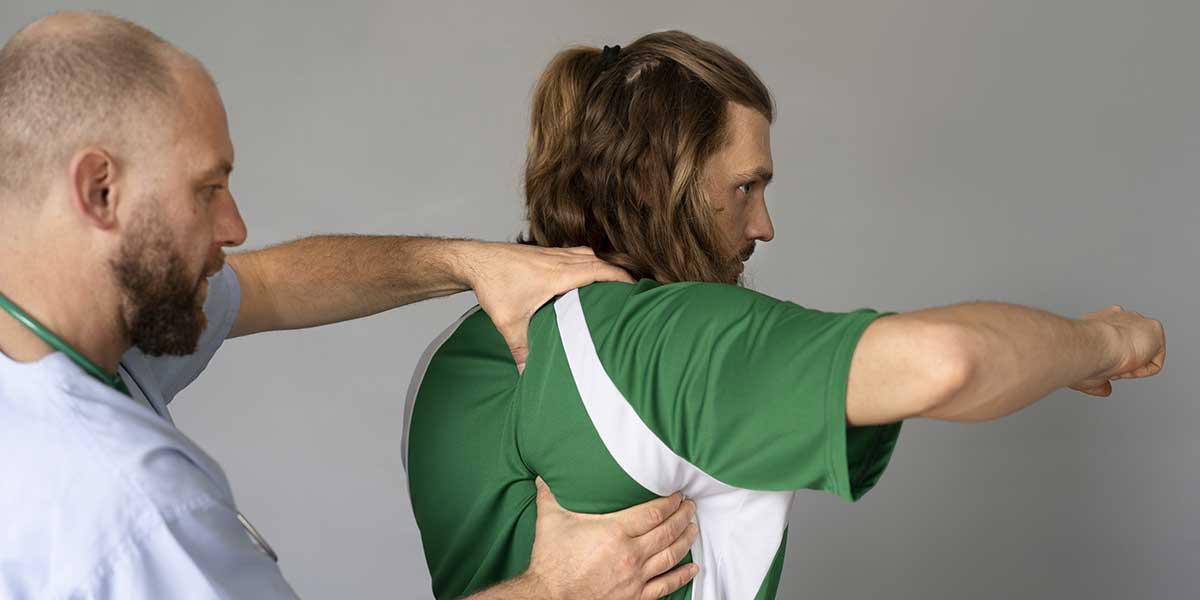
When you visit a chiropractor for muscle knots, care may combine hands-on techniques with guidance for reducing repeated strain. The following approaches may be included based on your symptoms and mobility.
Ease Localized Tenderness
Soft tissue therapy involves applying controlled pressure to tight or sensitive muscle tissue. The chiropractor adjusts pressure based on the patient's comfort and tissue sensitivity. This technique may temporarily ease soreness and improve movement around the affected area.
Improve Nearby Joint Motion
Muscle tightness can occur alongside restricted or uncomfortable joint movement. Spinal adjustments target specific joints rather than treating the knot directly. Improving joint mobility may make movement more comfortable when stiffness accompanies muscle tension.
Reintroduce Comfortable Movement
A painful knot may cause someone to avoid moving the affected area normally. Gentle stretching may gradually improve motion without stressing sensitive tissue.
Limit Repeated Strain
Hands-on treatment may provide short-term relief, but tension could return if the contributing activity remains unchanged. Chiropractic care may include recommendations to improve workstation positioning or modify repetitive movements.
Why Recovery Timelines Differ
A recently developed muscle knot may respond differently from tightness that has persisted for months. Continued physical demands can also slow progress when the affected tissue has limited time to recover between activities.
During follow-up visits, the chiropractor may compare tenderness and range of motion with earlier findings. These changes help determine whether to continue the current approach or modify it.
Find Relief With CornerStone Chiropractic
CornerStone Chiropractic provides individualized care for patients experiencing localized muscle discomfort. At our clinic, we explain what each treatment involves so patients know what to expect. Patients may notice gradual improvements in comfort and mobility as care progresses, although the timing and extent of results vary for each person.
We believe every patient deserves compassionate support when pain affects daily life. Our team also treats several types of back pain. If you need a chiropractor for muscle knots in Minot, call our clinic at (701) 852-2800 to schedule an appointment.
