

A Guide to Managing Back Pain from Shoveling Snow
November 12, 2026
After clearing the snow from the driveway, you set the shovel aside and feel your lower back tighten as you stand upright. If the pain continues without any emergency warning signs, chiropractors in Minot can evaluate your mobility and discuss the appropriate care.
At CornerStone Chiropractic, we help patients understand what may be causing back pain from shoveling snow. We explain what to do after soreness begins and how to prevent it from happening again.
Why Shoveling Strains Your Lower Back
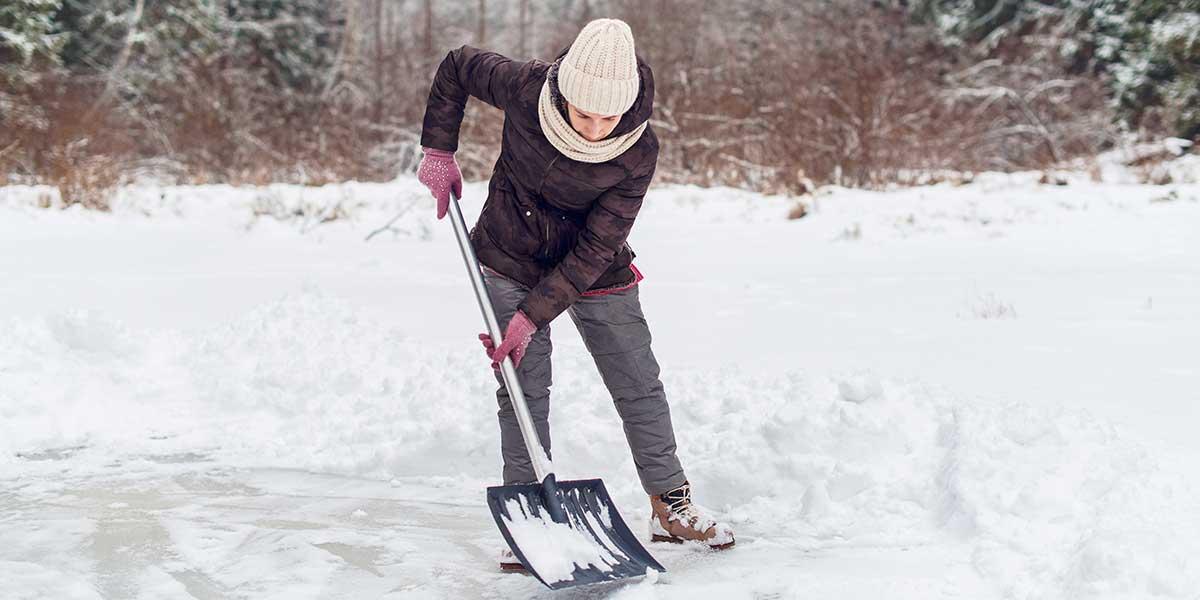
You bend forward to scoop snow, which moves the load away from your body. A full shovel places greater demand on the muscles in your lower back, especially when the snow is wet or heavy. Turning to toss the load adds twisting stress while your spine is already supporting weight.
Repeated lifting can tire the muscles that stabilize your trunk, making proper form harder to maintain as the job continues. The resulting overload may cause a lower back muscle strain or aggravate an existing condition.
It's important to note, though, that not every ache comes from a muscle strain because back pain can have several causes.
Which Symptoms Need Immediate Medical Care?
Pain that continues to limit your daily activities or does not begin improving with self-care warrants prompt medical advice. Severe discomfort that starts or worsens suddenly should also be evaluated.
If you experience numbness or weakness, difficulty urinating, or bladder or bowel control changes, seek immediate care. A serious accident requires an emergency evaluation.
What Helps Right After Shoveling?
During post-shoveling muscle recovery, avoid activities that worsen pain, but do not stay in bed for long periods. These steps may help during the first day or two:
- Stop shoveling and avoid heavy lifting, but continue gentle movement as tolerated.
- Apply a cold pack for 15 to 20 minutes if it reduces pain or swelling.
- Use gentle heat to ease stiffness or muscle spasms if warmth feels more helpful.
Gentle Movement During Recovery
Staying gently active is usually better than remaining still while back pain from shoveling snow settles. Begin with short walks or light daily tasks, then increase activity gradually if symptoms do not worsen. Avoid prolonged bed rest because it can increase stiffness and make returning to normal activity harder.
A clinician or physical therapist can recommend back pain relief exercises based on your movement and where the discomfort is. Ask for guidance before adding stretches or strengthening work if you are unsure which movements are safe.
When Can You Shovel Again?
Return to shoveling when cleared by your provider or when normal daily movements feel comfortable, and bending does not increase your symptoms. Start with a small area and light loads instead of clearing the entire driveway. Stop if discomfort returns.
What Are the Proper Snow Shoveling Techniques?
Preventing back pain from shoveling snow starts with reducing how much you lift and limiting rotation through your spine. The sections below explain how to move each load with less strain and avoid fatigue.
Push Snow When You Can
Push snow toward the edge whenever space allows. This approach keeps the load on the ground and reduces how often you need to lift it.
Lift With Your Legs
When you must raise the shovel, use safe lifting techniques by bending through the hips and knees instead of at the waist. Keep the load close to your body and use your legs to stand without twisting.
Turn With Your Feet
Step toward the dumping area so your feet and upper body face the same direction. Moving as one unit helps you avoid twisting while holding a loaded shovel.
Choose the Right Shovel and Set a Safe Pace
Spinal injury prevention also depends on choosing equipment that fits your ability. Use a lightweight shovel with a handle that lets you remain more upright.
Clear snow in stages before it becomes deep or wet. Take breaks before fatigue affects your form. Ask for help when the buildup becomes too heavy to manage safely.
Turn to CornerStone Chiropractic for Back Pain Care
At CornerStone Chiropractic, our team assesses soreness after shoveling to determine whether chiropractic care is appropriate. We review when the pain began and how it affects your daily activities.
During the appointment, we examine your mobility before discussing treatment options based on the findings. If discomfort extends beyond your lower back, we can also discuss our approach to helping with hip pain.
If no emergency warning signs are present, call (701) 852-2800 to schedule an evaluation for back pain from shoveling snow.
